Why Pre-Primed Fibre Cement Boards Still Require Finishing Coats

A guide to pre-primed fibre cement boards, why finishing coats are required, and how to handle minor primer marks.
Why Pre-Primed Fibre Cement Boards Still Require Finishing Coats
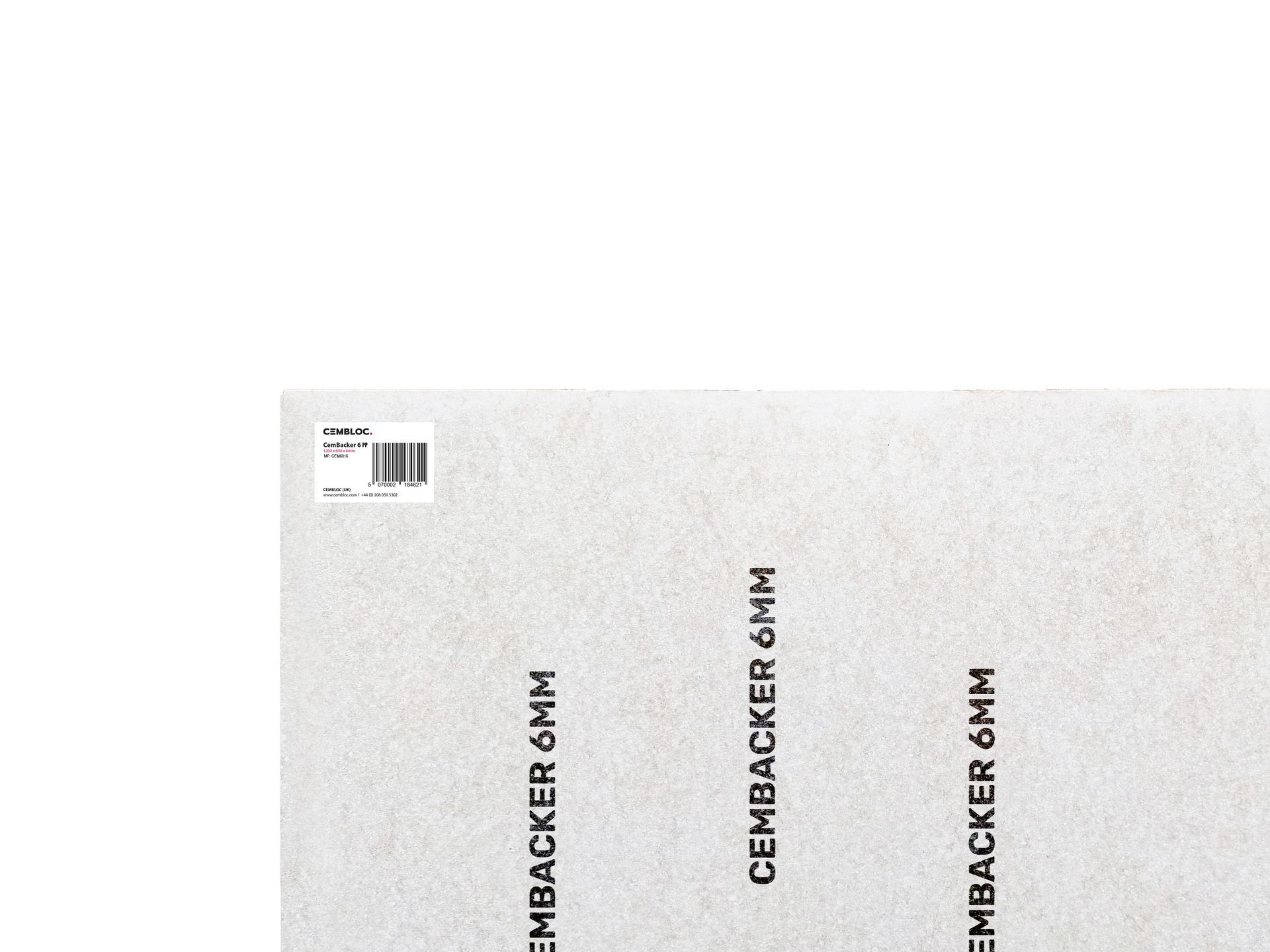
Pre-primed fibre cement boards are designed to make installation faster and finishing easier. The factory-applied primer provides a consistent base coat that improves paint adhesion and reduces preparation time on site.
However, it’s important to understand that **a pre-primed board is not a finished surface**. A full paint or coating system is still required once the boards are installed.
In this guide, we explain why finishing coats are necessary and address a common question about minor primer marks that can occasionally appear when boards are separated from a pallet.
What Does “Pre-Primed” Actually Mean?
A pre-primed fibre cement board has a **factory-applied primer layer** designed to prepare the surface for decoration. This primer improves the bonding of paints and coatings while reducing the amount of preparation required on site.
The primer acts as a **base layer only**. It is not intended to be the final exposed finish of the board.
Once installed, the boards should be completed with the appropriate **external or internal paint system**, depending on the application.
Why Finishing Coats Are Still Required
Even when a board is supplied pre-primed, finishing coats are essential for several reasons:
Weather protection – Exterior paint systems protect the board from long-term exposure to moisture and UV.
Uniform appearance – Final coatings ensure a consistent colour and finish across the installation.
Surface durability – Paint systems provide an additional protective layer against general wear and environmental exposure.
For these reasons, pre-primed boards should always be finished in accordance with the chosen paint manufacturer’s recommendations.
Occasional Primer Marks Between Boards
Because pre-primed boards are stacked and transported in pallets, **minor primer transfer or marks can occasionally occur where boards have been in contact during storage or transit**.
In some cases, when separating boards, small areas of primer may appear lighter or darker where the boards have touched. This is simply a result of surface contact between primed faces while stacked.
These marks are **purely cosmetic and do not affect the structural performance or durability of the fibre cement board**.
How to Address Minor Primer Marks
If small primer marks are visible after separating boards from a pallet, they can easily be addressed during normal finishing preparation.
Typical site practice includes:
* Lightly sanding the affected area if required
* Applying a suitable primer or undercoat if needed
* Completing the system with the specified finishing coats
In most cases, the final paint system will **fully cover and blend any minor variations in the primer layer**.
The Purpose of Pre-Primed Boards
Pre-primed fibre cement boards are designed to make projects more efficient by reducing preparation time and providing a reliable base for finishing systems.
As with most primed building materials, the primer is **part of the finishing system rather than the finished surface itself**.
Once the appropriate paint or coating system is applied, the boards deliver the durable, consistent finish expected from fibre cement cladding and lining systems.
---
For more information about CEMBLOC® fibre cement boards or finishing recommendations, contact our technical team or explore the product guides available on our website.